Quick Facts
Facts sourced from Wikidata (CC0).
Best Months to Spot
Most sightings recorded in Jan, Feb, Dec. Data from GBIF - a global database of verified wildlife observations by researchers and citizen scientists.
Conservation Status
Conservation hubFaces a very high risk of extinction in the wild.
Asian elephants face significant threats from habitat loss and fragmentation due to human development and agriculture, as well as human-elephant conflict. While conservation efforts are ongoing, including anti-poaching patrols and community engagement programs, their populations continue to decline. Responsible safari tourism plays a vital role by providing economic incentives for local communities to protect elephant habitats and by funding conservation initiatives through park fees and responsible wildlife viewing practices.
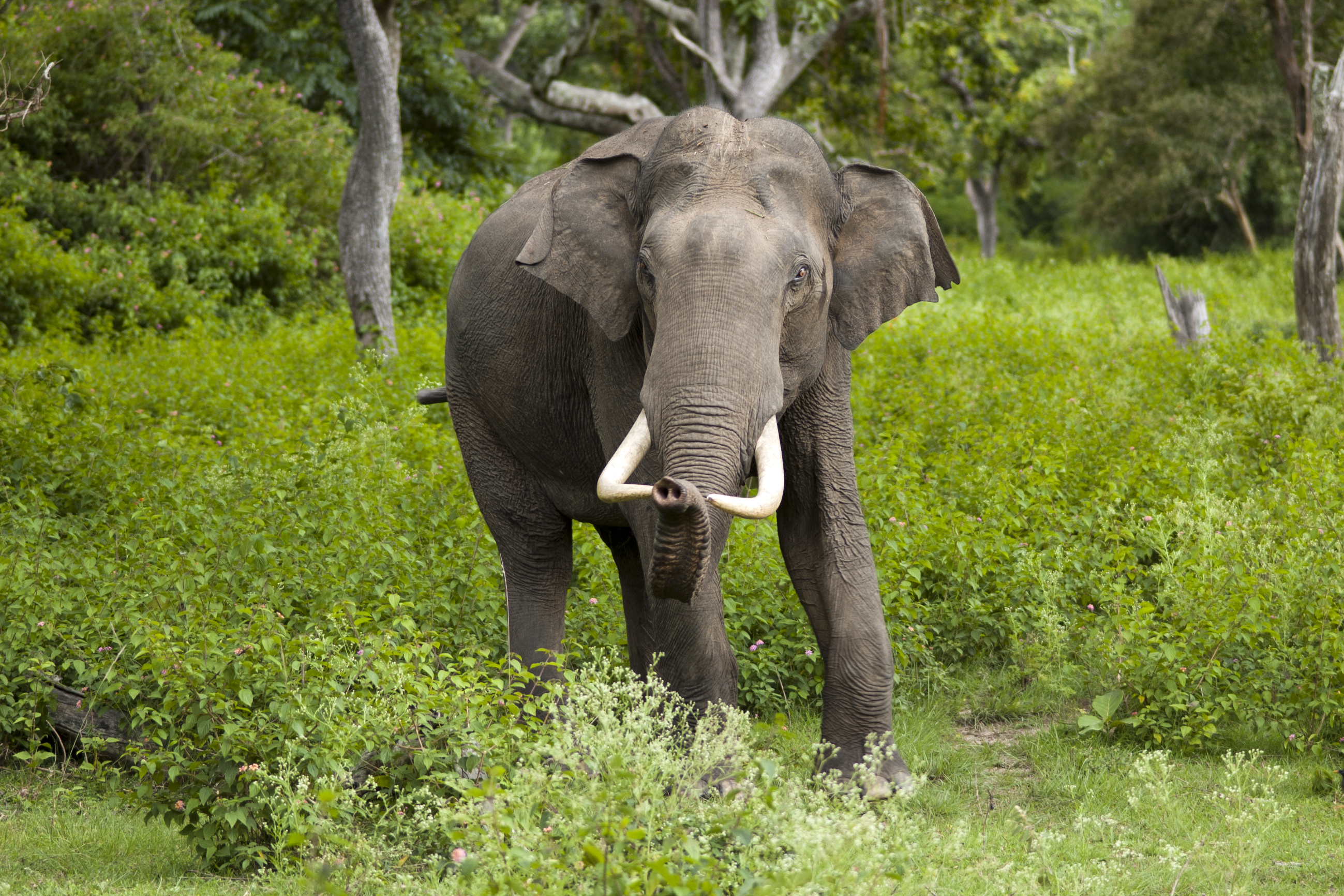
The Asian elephant, also known as the Asiatic elephant, is the only living species in the genus Elephas. It is the largest living land animal in Asia and the second largest living elephantid in the world. It is characterised by its long trunk with a single finger-like process; large tusks in males; laterally folded large ears and wrinkled grey skin that is partly depigmented on the trunk, ears or neck. Adult males average 4 t in weight and females 2.7 t. It has a large and well developed neocortex of the brain, is highly intelligent and self-aware, being able to display behaviours associated with grief, learning and greeting. Three subspecies are recognised—E. m. maximus, E. m. indicus and E. m. sumatranus.
Description adapted from Wikipedia, CC BY-SA 4.0.
Where to Find
Top parks for Asian Elephant. Sightings recorded in 196 safari areas total.
Best Safari Destinations
Loading safari destinations...
Ready to see Asian Elephant in the wild?
Use our tools to find the right park and plan your trip.