Quick Facts
Facts sourced from Wikidata (CC0).
Conservation Status
Conservation hubFaces a high risk of extinction in the wild.
The blue-winged parrot faces threats from habitat loss and degradation, particularly due to agricultural development and logging. While specific recovery programs are limited, conservation efforts focus on protecting key breeding and foraging areas. Responsible safari tourism can help by supporting local conservation initiatives and raising awareness about the species' vulnerability, ensuring minimal disturbance to its natural habitat.
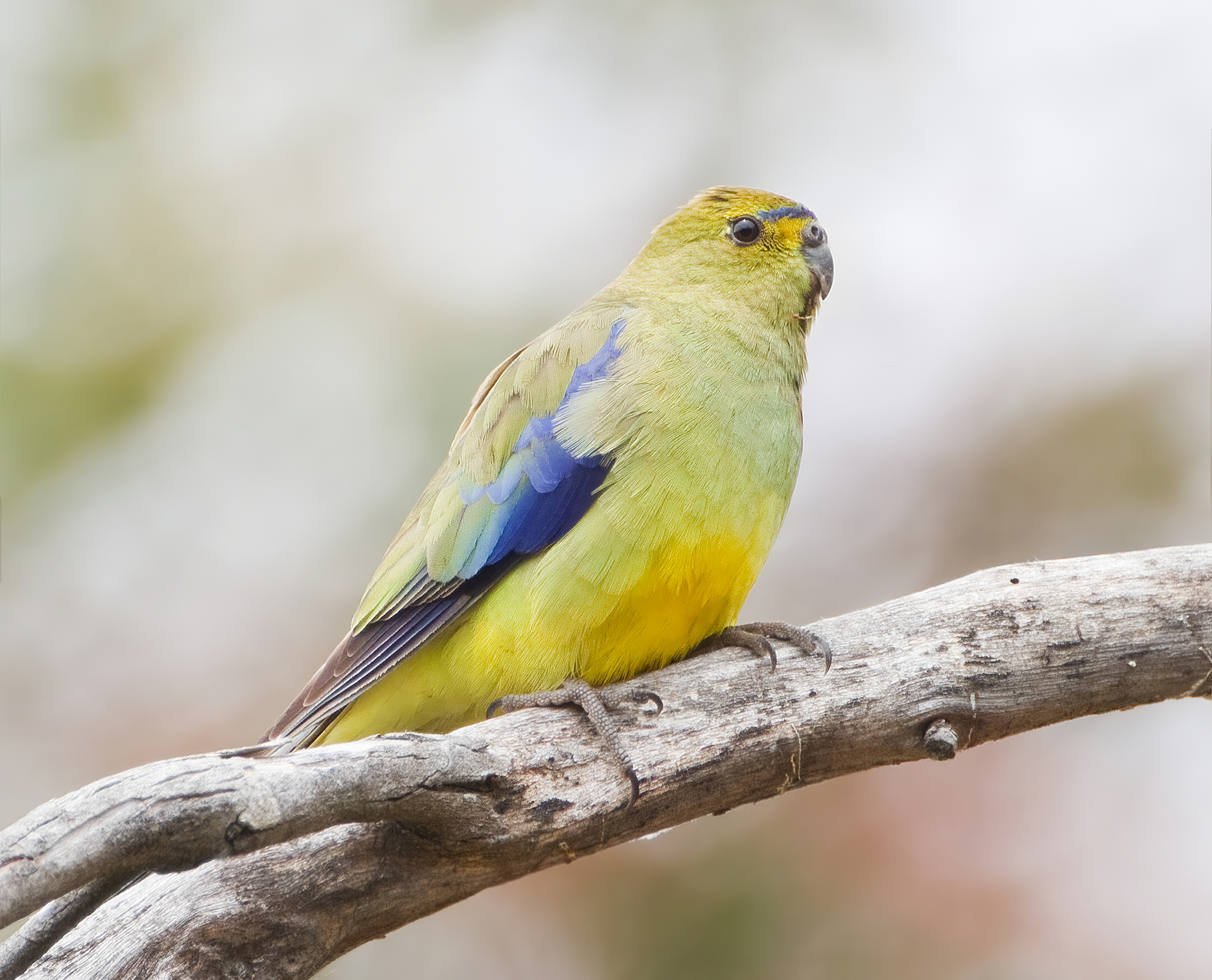
The blue-winged parrot, also known as the blue-banded parakeet or blue-banded grass-parakeet, is a small parrot found in Tasmania and southeast mainland Australia. It is partly migratory, with populations of blue-winged parrots travelling to Tasmania for the summer. The parrot is sexually dimorphic – the males have more blue on the wings and a two-toned blue frontal band on the head, while females are duller and have more green on the wings and a wingbar. Both sexes have predominantly olive-green plumage. Predominantly a feeder on the ground, the blue-winged parrot mainly eats seeds of grasses. It adapts readily to captivity.
Description adapted from Wikipedia, CC BY-SA 4.0.
Where to Find
Top parks for Blue-winged Parrot. Sightings recorded in 38 safari areas total.
Best Safari Destinations
Loading safari destinations...
Ready to see Blue-winged Parrot in the wild?
Use our tools to find the right park and plan your trip.