Best Months to Spot
Most sightings recorded in Feb, Mar, Apr, Jul. Data from GBIF - a global database of verified wildlife observations by researchers and citizen scientists.
Conservation Status
Conservation hubFaces an extremely high risk of extinction in the wild.
Forest elephants face severe threats from poaching for their ivory tusks and habitat loss due to deforestation for agriculture and logging. While conservation efforts are ongoing, including anti-poaching patrols and protected area management, their populations continue to decline. Responsible safari tourism can help by funding conservation initiatives, raising local awareness, and providing economic alternatives to activities that harm elephants.
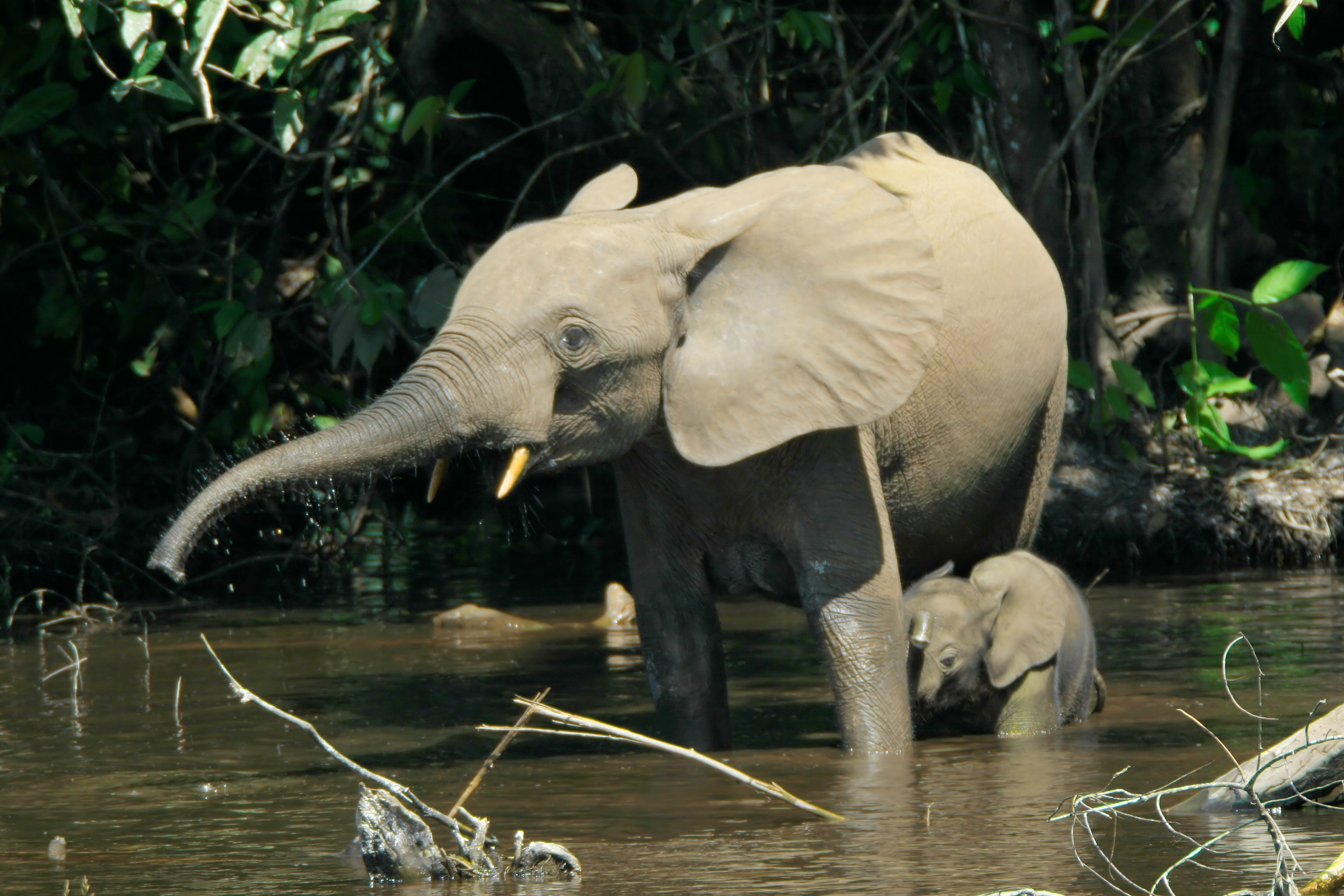
The African forest elephant is an elephant species native to humid tropical forests in West Africa and the Congo Basin. It was first described in 1900. With an average shoulder height of 2.16 m, it is the smallest of the three living elephants. Both sexes have straight, down-pointing tusks, which begin to grow at the age of 1–3 years.
Description adapted from Wikipedia, CC BY-SA 4.0.
Where to Find
Top parks for Forest Elephant. Sightings recorded in 21 safari areas total.
Best Safari Destinations
Loading safari destinations...
Ready to see Forest Elephant in the wild?
Use our tools to find the right park and plan your trip.