Quick Facts
Facts sourced from Wikidata (CC0).
Best Months to Spot
Most sightings recorded in Dec. Data from GBIF - a global database of verified wildlife observations by researchers and citizen scientists.
Conservation Status
Conservation hubFaces a high risk of extinction in the wild.
Giant anteaters face significant threats from habitat loss and fragmentation due to agriculture and ranching, as well as roadkill and hunting. While conservation efforts are ongoing, including protected areas and research, their populations continue to decline. Responsible safari tourism plays a vital role by raising awareness, supporting local economies that incentivize conservation, and providing funding for anti-poaching patrols and habitat preservation.
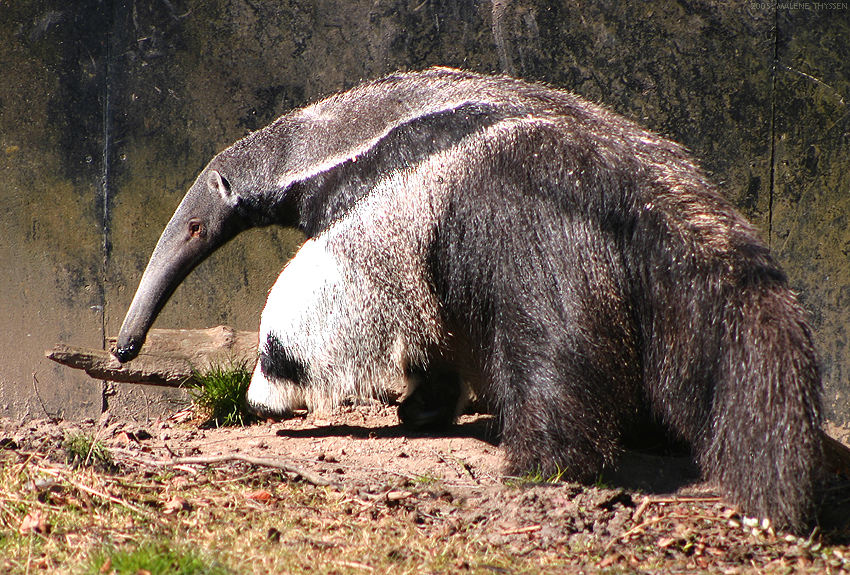
The giant anteater is an insectivorous mammal native to Central and South America. It is the largest of the four living species of anteaters, which are classified with sloths in the order Pilosa. The only extant member of the genus Myrmecophaga, the giant anteater is mostly terrestrial, in contrast to other living anteaters and sloths, which are arboreal or semiarboreal. It is recognizable by its elongated snout, bushy tail, long foreclaws, and distinctively colored fur.
Description adapted from Wikipedia, CC BY-SA 4.0.
Where to Find
Top parks for Giant Anteater. Sightings recorded in 152 safari areas total.
Best Safari Destinations
Loading safari destinations...
Ready to see Giant Anteater in the wild?
Use our tools to find the right park and plan your trip.