Quick Facts
Facts sourced from Wikidata (CC0).
Conservation Status
Conservation hubClose to qualifying as threatened in the near future.
The Japanese quail faces threats from habitat loss and overhunting. While specific large-scale recovery programs are not widely documented, conservation efforts often focus on habitat preservation and sustainable hunting regulations. Responsible safari tourism can help by supporting local economies that rely on wildlife, thus incentivizing conservation, and by raising awareness of the species' plight among visitors.
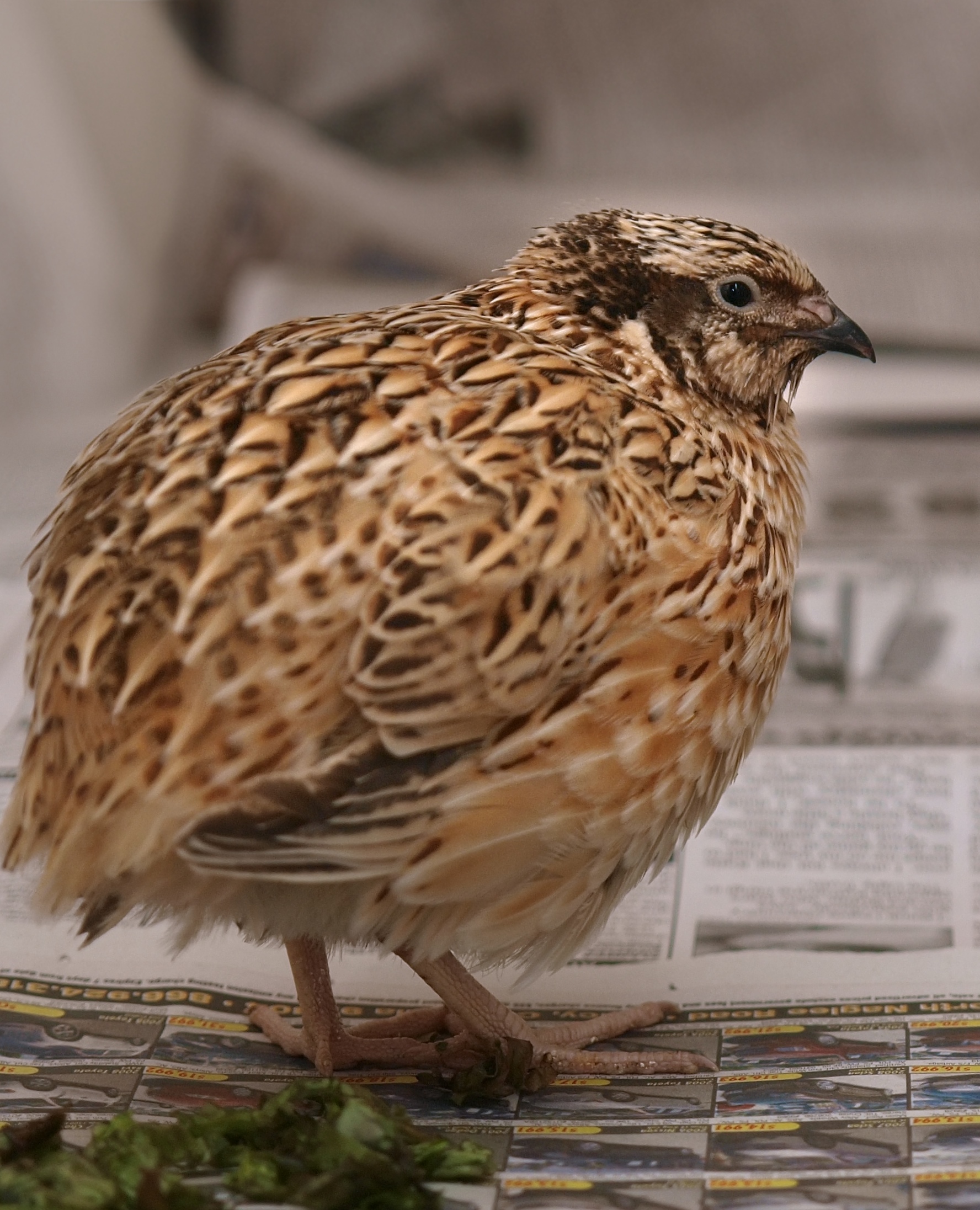
The Japanese quail, also known as the coturnix quail, is a species of Old World quail found in East Asia. First considered a subspecies of the common quail, it is now considered as a separate species. The Japanese quail has played an active role in the lives of humanity since the 12th century, and continues to play major roles in industry and scientific research. Where it is found, the species is abundant across most of its range. Currently, there are a few true breeding mutations of the Japanese quail. The varieties currently found in the United States include Pharaoh, Italian, Manchurian, Tibetan, Rosetta, along with the following mutations: sex-linked brown, fee, roux, silver, andalusian, blue/blau, white winged pied, progressive pied, albino, calico, sparkly, as well as non-color mutations such as celadon, which lay blue-tinted eggs.
Description adapted from Wikipedia, CC BY-SA 4.0.
Where to Find
Top parks for Japanese Quail. Sightings recorded in 1 safari areas total.
Best Safari Destinations
Loading safari destinations...
Ready to see Japanese Quail in the wild?
Use our tools to find the right park and plan your trip.