Quick Facts
Facts sourced from Wikidata (CC0).
Best Months to Spot
Most sightings recorded in Aug, Nov, Dec. Data from GBIF - a global database of verified wildlife observations by researchers and citizen scientists.
Conservation Status
Conservation hubFaces a very high risk of extinction in the wild.
Okapi populations are declining due to habitat loss from illegal logging and mining, as well as poaching for bushmeat and skins. While conservation efforts are ongoing, including protected areas and anti-poaching patrols, the species remains highly threatened. Responsible tourism in okapi habitats can help fund conservation initiatives and provide economic alternatives to poaching, thereby contributing to their protection.
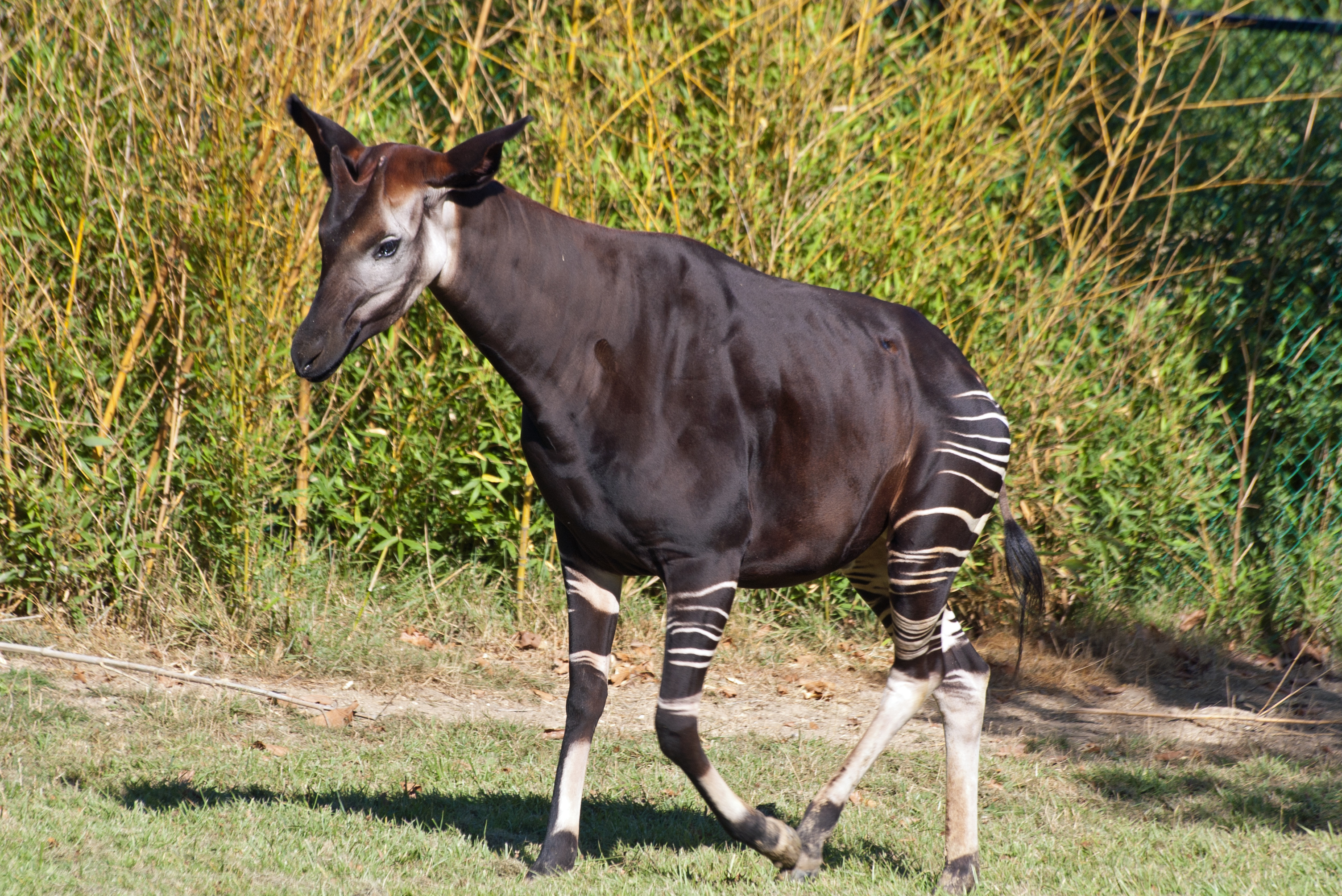
The okapi, also known as the forest giraffe, and zebra giraffe, is an artiodactyl mammal that is endemic to the northeast Democratic Republic of the Congo in central Africa. However, non-invasive genetic identification has suggested that a population has occurred south-west of the Congo River as well. It is the only species in the genus Okapia. Although the okapi has striped markings reminiscent of zebras, it is most closely related to the giraffe. The okapi and the giraffe are the only living members of the family Giraffidae.
Description adapted from Wikipedia, CC BY-SA 4.0.
No sighting locations on record yet
This species hasn't been linked to specific safari parks in our database yet. Check GBIF for raw occurrence data, or browse similar species in the same category.
Browse parks for Big Herbivores →Best Safari Destinations
Loading safari destinations...
Ready to see Okapi in the wild?
Use our tools to find the right park and plan your trip.