Conservation Status
Conservation hubFaces a high risk of extinction in the wild.
Snowy owls face threats from habitat loss due to climate change and prey availability fluctuations. While specific large-scale recovery programs are limited, ongoing monitoring and research are crucial for understanding their population dynamics. Responsible tourism can help by raising awareness and supporting local conservation initiatives that protect the fragile Arctic ecosystems these owls inhabit.
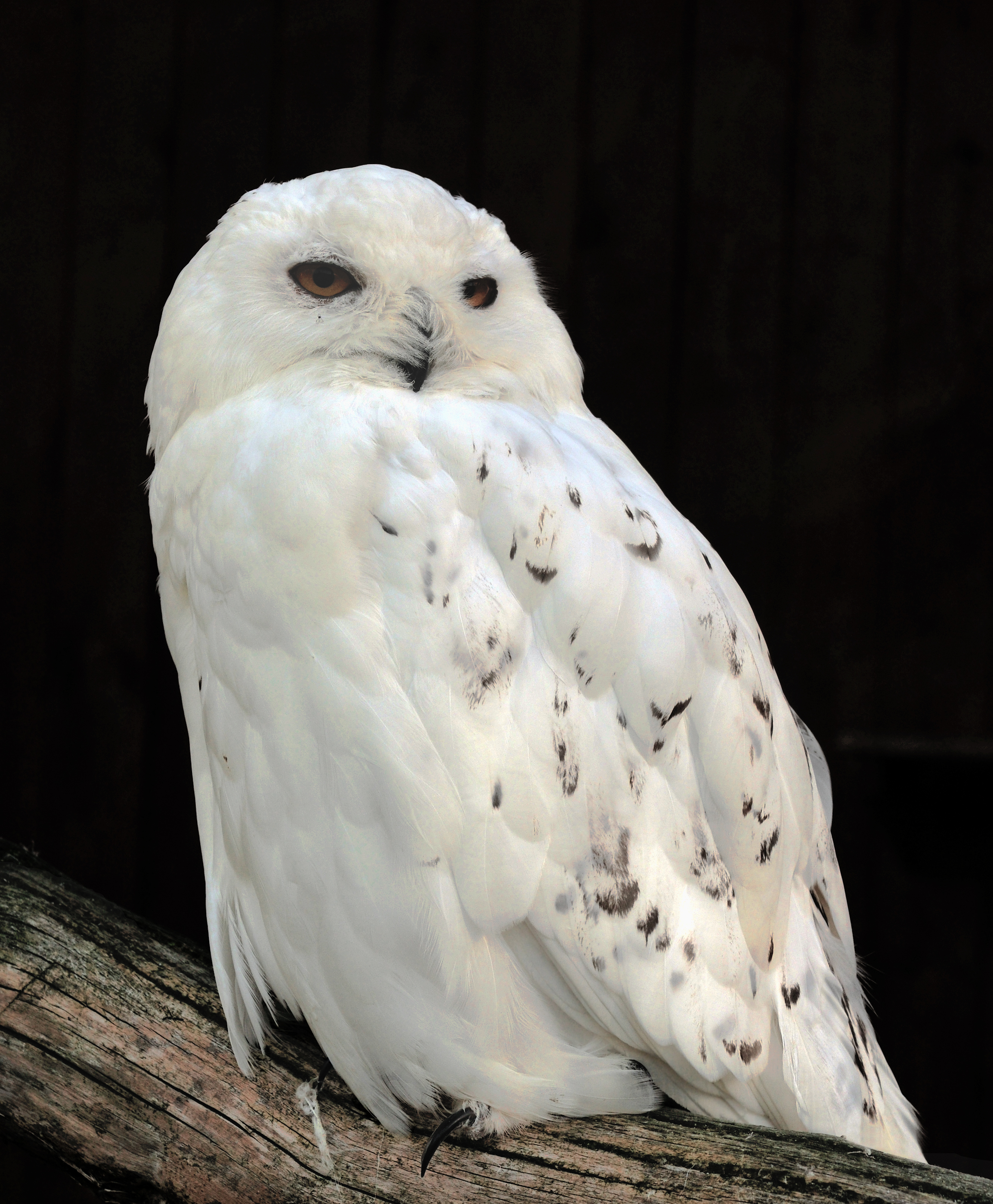
The snowy owl, also known as the polar owl, the white owl and the Arctic owl, is a large, white owl of the true owl family. Snowy owls are native to the Arctic regions of both North America and the Palearctic, breeding mostly on the tundra. It has a number of unique adaptations to its habitat and lifestyle, which are quite distinct from other extant owls. One of the largest species of owl, it is the only owl with mainly white plumage. Males tend to be a purer white overall while females tend to have more extensive flecks of dark brown. Juvenile male snowy owls have dark markings and may appear similar to females until maturity, at which point they typically turn whiter. The composition of brown markings about the wing, although not foolproof, is the most reliable technique for aging and sexing individual snowy owls.
Description adapted from Wikipedia, CC BY-SA 4.0.
Where to Find
Top parks for Snowy Owl. Sightings recorded in 19 safari areas total.
Best Safari Destinations
Loading safari destinations...
Ready to see Snowy Owl in the wild?
Use our tools to find the right park and plan your trip.