Quick Facts
Facts sourced from Wikidata (CC0).
Best Months to Spot
Most sightings recorded in Jan, Feb, Nov, Dec. Data from GBIF - a global database of verified wildlife observations by researchers and citizen scientists.
Conservation Status
Conservation hubClose to qualifying as threatened in the near future.
South American sea lions face threats from historical hunting, entanglement in fishing gear, and pollution. While populations have shown some recovery in certain areas due to conservation efforts and reduced hunting pressure, they are still vulnerable. Responsible tourism, by supporting local communities and funding conservation initiatives, helps protect their habitats and reduces human-wildlife conflict.
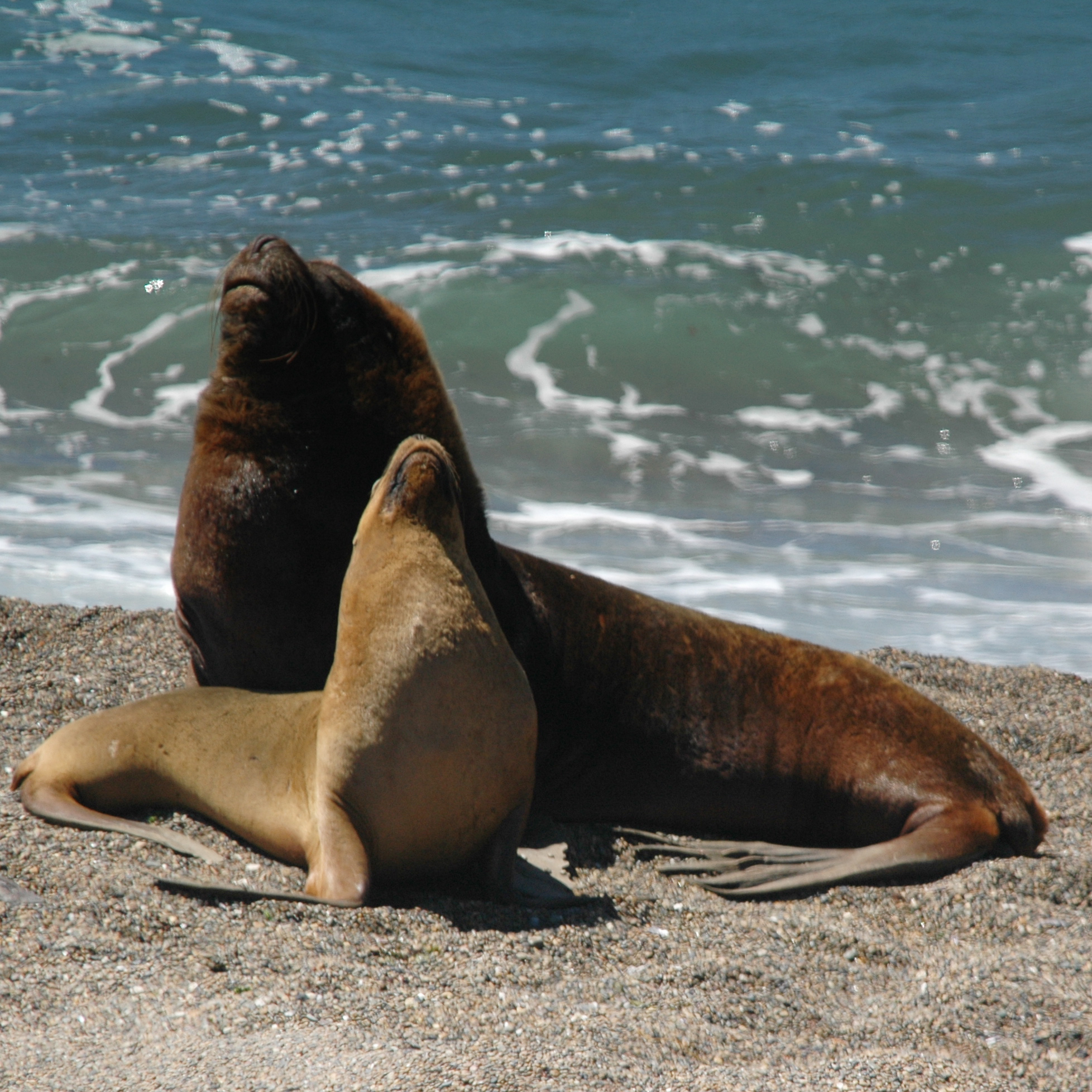
The South American sea lion, also called the southern sea lion and the Patagonian sea lion, is a sea lion found on the western and southeastern coasts of South America. It is the only member of the genus Otaria. The species is highly sexually dimorphic. Males have a large head and prominent mane. They mainly feed on fish and cephalopods and haul out on sand, gravel, rocky, or pebble beaches. Breeding males typically defend both territories and individual females, though this can vary. Less dominant males may try to achieve success by causing chaos in the group. The overall population of the species is considered stable, estimated at 265,000 animals.
Description adapted from Wikipedia, CC BY-SA 4.0.
No sighting locations on record yet
This species hasn't been linked to specific safari parks in our database yet. Check GBIF for raw occurrence data, or browse similar species in the same category.
Browse parks for Marine & Freshwater →Best Safari Destinations
Loading safari destinations...
Ready to see South American Sea Lion in the wild?
Use our tools to find the right park and plan your trip.