Best Months to Spot
Most sightings recorded in Jan, Apr, Jul, Aug, Oct. Data from GBIF - a global database of verified wildlife observations by researchers and citizen scientists.
Conservation Status
Conservation hubFaces a very high risk of extinction in the wild.
The Sunda slow loris is threatened by habitat loss due to deforestation and the illegal pet trade, where they are often captured and sold. While specific large-scale recovery programs are limited, efforts to combat illegal wildlife trafficking and protect remaining forest habitats are crucial. Responsible safari tourism can help by raising awareness, supporting local conservation initiatives, and providing an economic alternative to activities that harm the lorises and their environment.
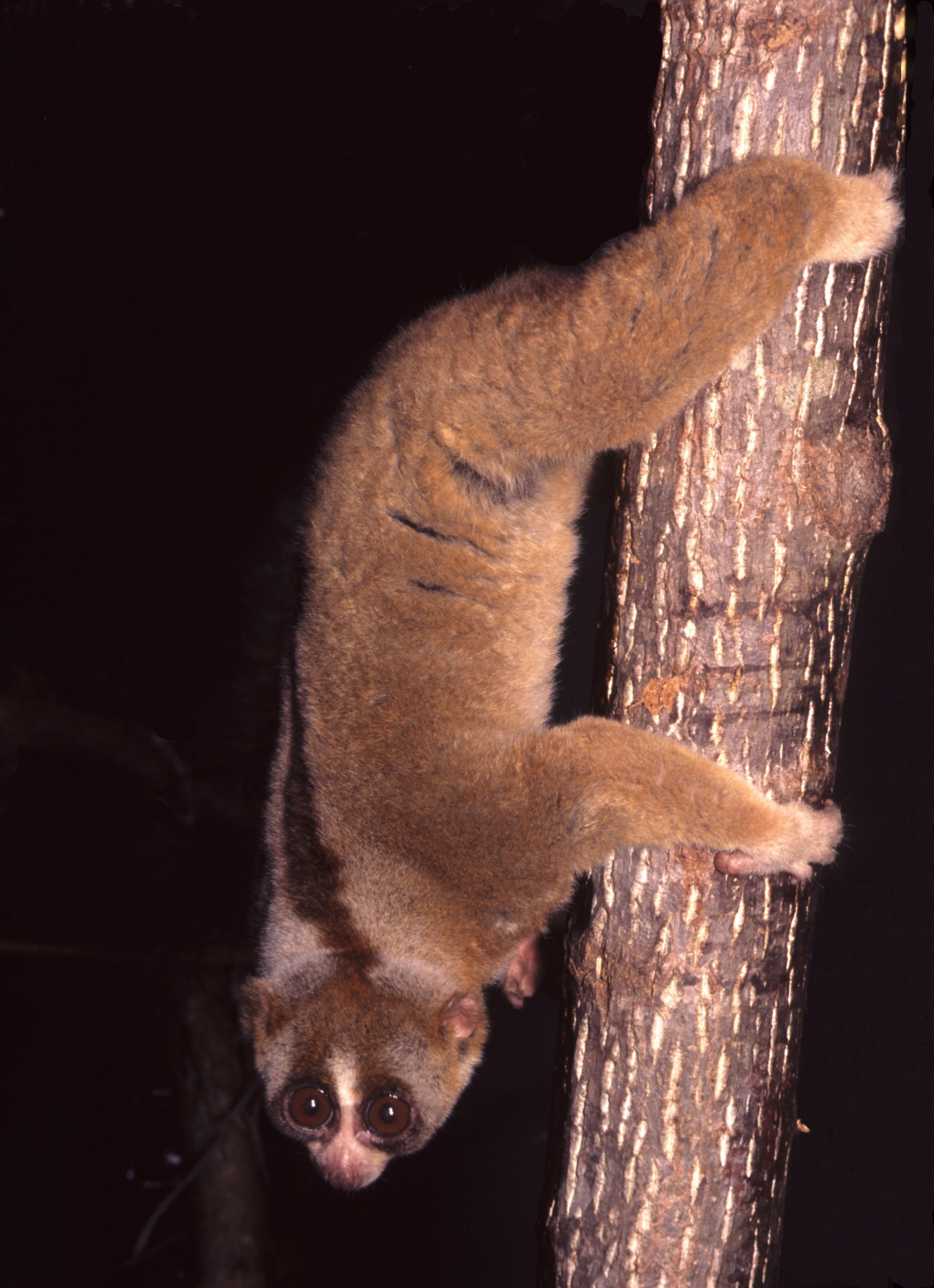
The Sunda slow loris, or greater slow loris, is a strepsirrhine primate and a species of slow loris native to Indonesia, West Malaysia, southern Thailand and Singapore. It measures 27 to 38 cm from head to tail and weighs between 599 and 685 g. Like other slow lorises, it has a wet nose (rhinarium), a round head, small ears hidden in thick fur, a flat face, large eyes and a vestigial tail.
Description adapted from Wikipedia, CC BY-SA 4.0.
Where to Find
Top parks for Sunda Slow Loris. Sightings recorded in 24 safari areas total.
Best Safari Destinations
Loading safari destinations...
Ready to see Sunda Slow Loris in the wild?
Use our tools to find the right park and plan your trip.