Best Months to Spot
Most sightings recorded in Jan. Data from GBIF - a global database of verified wildlife observations by researchers and citizen scientists.
Conservation Status
Conservation hubFaces a high risk of extinction in the wild.
West Indian manatees face threats from boat strikes, habitat loss, and entanglement in fishing gear. Conservation efforts have focused on protecting critical habitats and reducing human-caused injuries, leading to some localized population increases. Responsible tourism helps by raising awareness and providing economic incentives for local communities to protect the manatees and their environment.
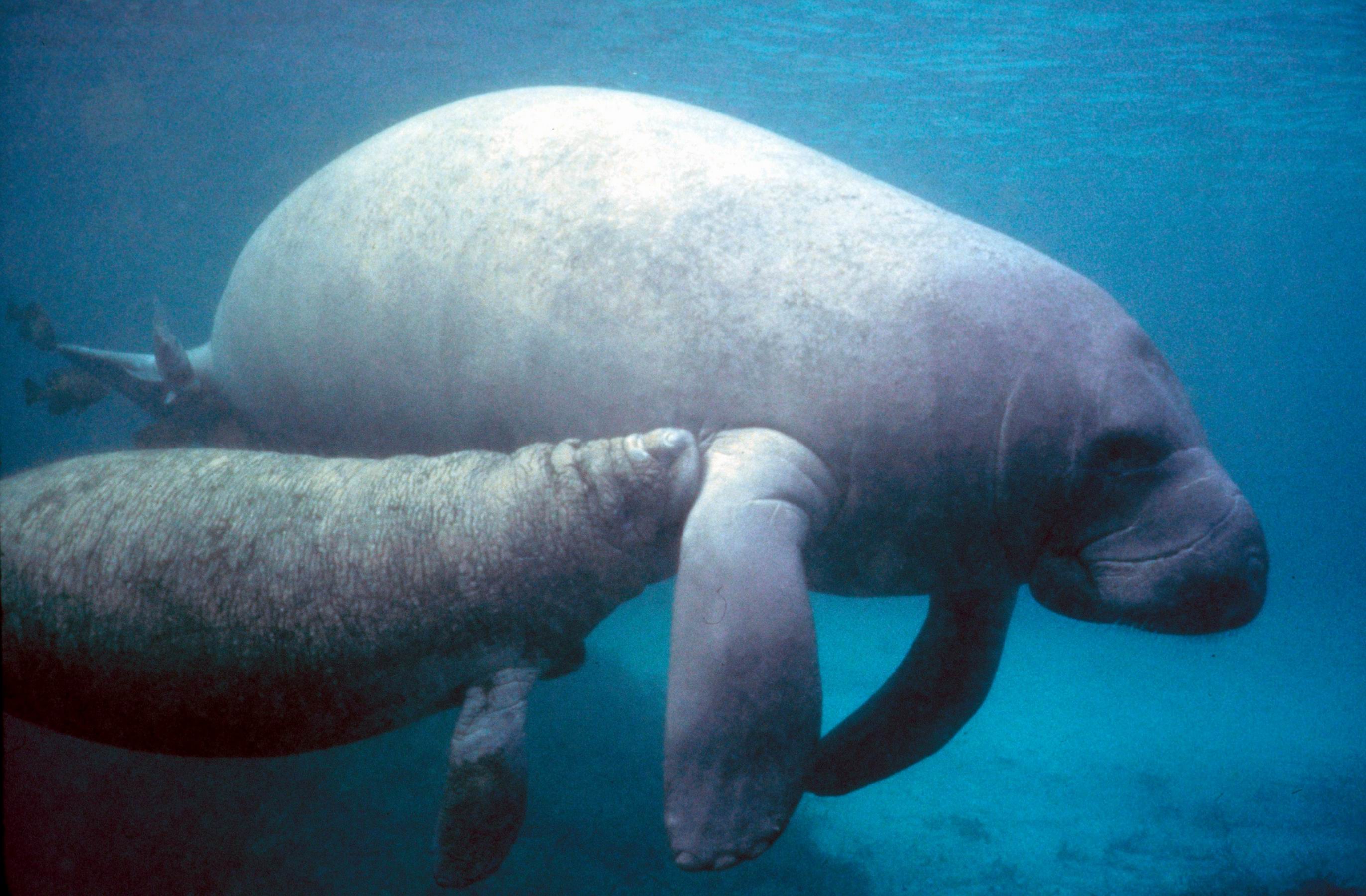
The West Indian manatee, also known as the North American manatee, is a large, aquatic mammal native to warm coastal areas of the Caribbean, from the Eastern United States to northern Brazil. Living alone or in herds, it feeds on underwater plants and uses its whiskers to navigate. It is divided into two subspecies, the Florida manatee in the United States and the Antillean manatee in the Caribbean, both of which are endangered and face pressure from habitat loss, pollution, and other human activity. The West Indian manatee is the largest living member of the sirenians, a group of large aquatic mammals that includes the dugong, other manatees, and the extinct Steller's sea cow.
Description adapted from Wikipedia, CC BY-SA 4.0.
Where to Find
Top parks for West Indian Manatee. Sightings recorded in 34 safari areas total.
Best Safari Destinations
Loading safari destinations...
Ready to see West Indian Manatee in the wild?
Use our tools to find the right park and plan your trip.