Quick Facts
Facts sourced from Wikidata (CC0).
Best Months to Spot
Most sightings recorded in Jan, Feb, Mar, Nov, Dec. Data from GBIF - a global database of verified wildlife observations by researchers and citizen scientists.
Conservation Status
Conservation hubFaces a very high risk of extinction in the wild.
The primary threats to whooping cranes include habitat loss and degradation, particularly of wetlands, and collisions with power lines. Conservation efforts have focused on captive breeding programs and reintroduction initiatives, leading to a slow but encouraging increase in their numbers. Responsible safari tourism can help by supporting conservation organizations and raising awareness about the importance of protecting the habitats these magnificent birds rely on.
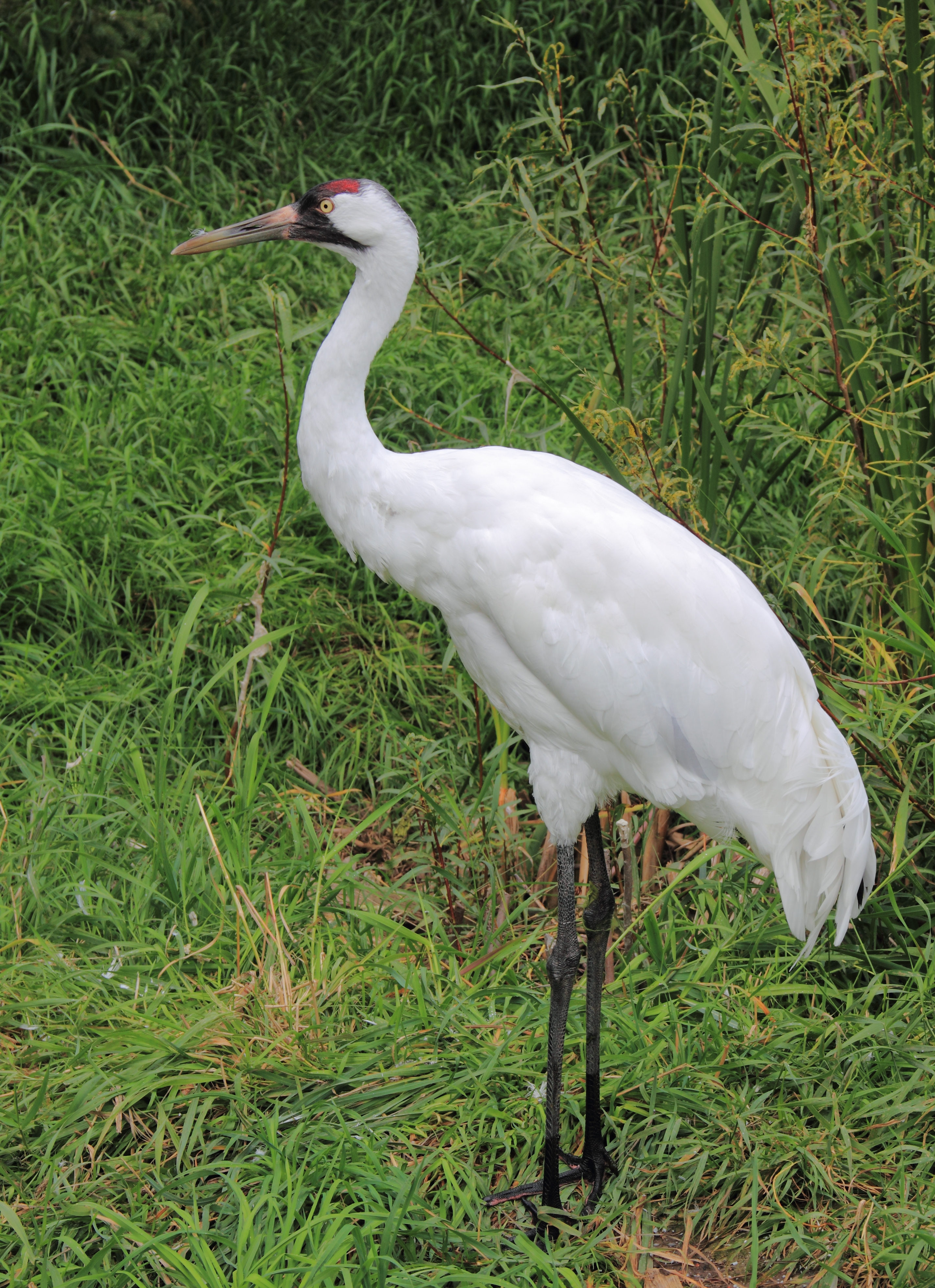
The whooping crane is an endangered crane species, native to North America, named for its "whooping" calls. Along with the sandhill crane, it is one of only two crane species native to North America, and it is also the tallest North American bird species, with an estimated 22–30+ year life expectancy in the wild. After being pushed to the brink of extinction by unregulated hunting and loss of habitat that left just 21 wild cranes by 1941, the whooping crane made a partial recovery through conservation efforts. The total number of cranes in the surviving migratory population, plus three reintroduced flocks and in-captivity, is just over 830 birds as of 2025. This includes about 560 individuals in the remnant population that migrates between coastal Texas, USA, and the Northwest Territories, Canada, which is termed the "Aransas-Wood Buffalo Population" after the protected areas that anchor the population's wintering and breeding ranges, respectively. Additionally, there are about 140 individuals in two reintroduced populations breeding in Wisconsin and Louisiana, USA, and an additional 130 individuals in captivity.
Description adapted from Wikipedia, CC BY-SA 4.0.
Where to Find
Top parks for Whooping Crane. Sightings recorded in 3 safari areas total.
Best Safari Destinations
Loading safari destinations...
Ready to see Whooping Crane in the wild?
Use our tools to find the right park and plan your trip.